I started in computer security on BBS networks in the 1980s. Today I teach AP Computer Science and Cybersecurity while building toward a full-time remote role in SOC analysis or penetration testing.
My TryHackMe profile sits at USA Rank #76, Top 1% globally. I hold a Physical Penetration Testing certification, am completing Security+ on the CompTIA track, and document every room I complete in this blog.
I also run MakerMindStudio, a 3D printing and laser engraving operation, and publish health and systems writing under the FACTOTUM Protocol.
TryHackMe room writeups published as completed. Each walkthrough covers the tools used, the logic behind each step, and the security concepts the room demonstrates.
Code review for security vulnerabilities with a written findings report, severity ratings, and specific fixes. Three tiers: Entry Scan ($499), Standard Audit ($1,200–$2,500), and Full Certification. Entry Scan turnaround is 72 hours.
I review your resume and LinkedIn profile against current cybersecurity and tech hiring standards. You get a marked-up document with specific rewrites, not a checklist of generic suggestions.
A structured 90-day plan built around your current certifications, experience level, and target role. Covers what to study, what to build, and what to skip.
Line-by-line feedback on AP Computer Science Free Response Questions. Written for students preparing for the exam or teachers who want a second set of eyes on student work.
GPT 5.5, Images 2.0, Claude Design, and Why I'm Done Listening to AI CEO Debates
OpenAI doubled its API pricing this week, released a model that scores 82.7% on Terminal Bench and tops every major intelligence composite, then watched its CEO call his main competitor a bomb salesman on a podcast. Anthropic, meanwhile, confirmed that unauthorized users accessed Mythos, the model they spent weeks marketing as too dangerous to release. Four things actually changed this week. Three of them were worth the hype.
GPT 5.5 Stopped Asking Me for Instructions GPT 5.5 is live inside ChatGPT and Codex for Plus, Pro, Business, and Enterprise users. The benchmark story is straightforward: 82.7% on Terminal Bench, clearing Mythos at 82%, Claude Opus at 69.4%, and GPT 5.4 at 75%. On the Artificial Analysis Intelligence Index, a composite of ten benchmarks across reasoning, coding, science, and agents, 5.5 is now the standalone leader after a three-way tie between Opus 4.7, Gemini 3.1 Pro, and GPT 5.4.
...
The Karpathy Loop
March 8, 2026: Andrej Karpathy dropped a 630-line Python script, aimed an AI agent at his own training code with a single metric to chase, and went to bed. Two days later the agent had run 700 experiments, found 20 genuine improvements, and cut training time by 11%. It also found a bug in Karpathy’s attention implementation that he had missed — not because the agent is smarter, but because it tried more things faster without getting bored after the 15th failed attempt.
...
Zero-Click Prompt Injection in Claude's Chrome Extension: One Iframe, No Warning, Everything Gone
The attack required no action from the victim. Visit a page. Leave. By the time the browser tab closed, the extension had already talked to Claude, exported chat history, read Gmail, and potentially sent an email under your name. Patched in Claude Chrome extension v1.0.41.
Here is how the chain worked.
The Attack Chain The Claude Chrome extension trusted any page on *.claude.ai to send it messages. That wildcard, every subdomain under claude.ai, is where the attack found its entry point.
...
Run a Private AI That Reads Your Documents, Locally, With No Internet Required
The way RAG works is easier to understand if you stop thinking about AI memory. Think about a dictionary instead. You do not memorize every definition before you need one. Look up the word when you need it. RAG does the same thing with your files — chunks them, embeds them into a vector database, and pulls back only what matches your question. The model never sees the whole library.
...
Your Background AI Agent Will Read Whatever You Download
You download a free PDF, a VS Code extension, a font pack. The file lands on your machine, and your background AI agent reads it. The file contains hidden instructions. The agent follows them.
That is not a hypothetical. That is the exact threat model nobody is naming right now.
OpenAI’s Codex runs silently on Mac while you work, learning from previous actions and picking up repeating tasks in parallel. Perplexity Personal Computer puts local agents on your machine with access to local files, native apps, and the web. Both ship with the premise that background access creates leverage. It does. It also creates exposure. These two things are not separable.
...
Build a Local AI Pentesting Assistant on Kali Linux with Ollama and MCP
Topics: Ollama, MCP, Python, Kali Linux, Responsible Scope
The tool does not determine whether you are a professional. Scope does.
Before any script runs, before any model generates a command, you need written authorization for every target you plan to touch. That is not a disclaimer to skip past. Every piece of tooling in this article enforces that principle because I have watched what happens when it gets ignored.
A few years ago a student ran a scan against a host that was not in the lab scope. I did not give a zero and move on. That student wrote the apology email. Not me, the student wrote it, disclosed exactly what ran and what the scan returned, and waited to hear what the victim decided to do about it. Outside a classroom, unauthorized access carries consequences the victim controls, not the teacher. That framing changes how seriously students take scope documents.
...
Claude Mythos Found a 27-Year-Old Bug. The Hard Part Is What Happens Next
Anthropic built a model they decided was too dangerous to release. That sentence would sound like marketing if the technical details were not sitting right next to it.
Claude Mythos Preview autonomously discovered and exploited zero-day vulnerabilities across major operating systems and browsers. Not “found potential weaknesses.” Exploited them. The Firefox JavaScript shell exploitation rate was 72.4 percent across repeated runs. It found a 27-year-old bug in OpenBSD. It found a 16-year-old vulnerability in FFmpeg. Finding the FFmpeg bug cost approximately $10,000 over several hundred runs, which makes it an expensive research tool but not an inaccessible one once the model is out in the world and someone else is paying the compute bill.
...
The Attacker in Your Network Is Not in Your Inbox
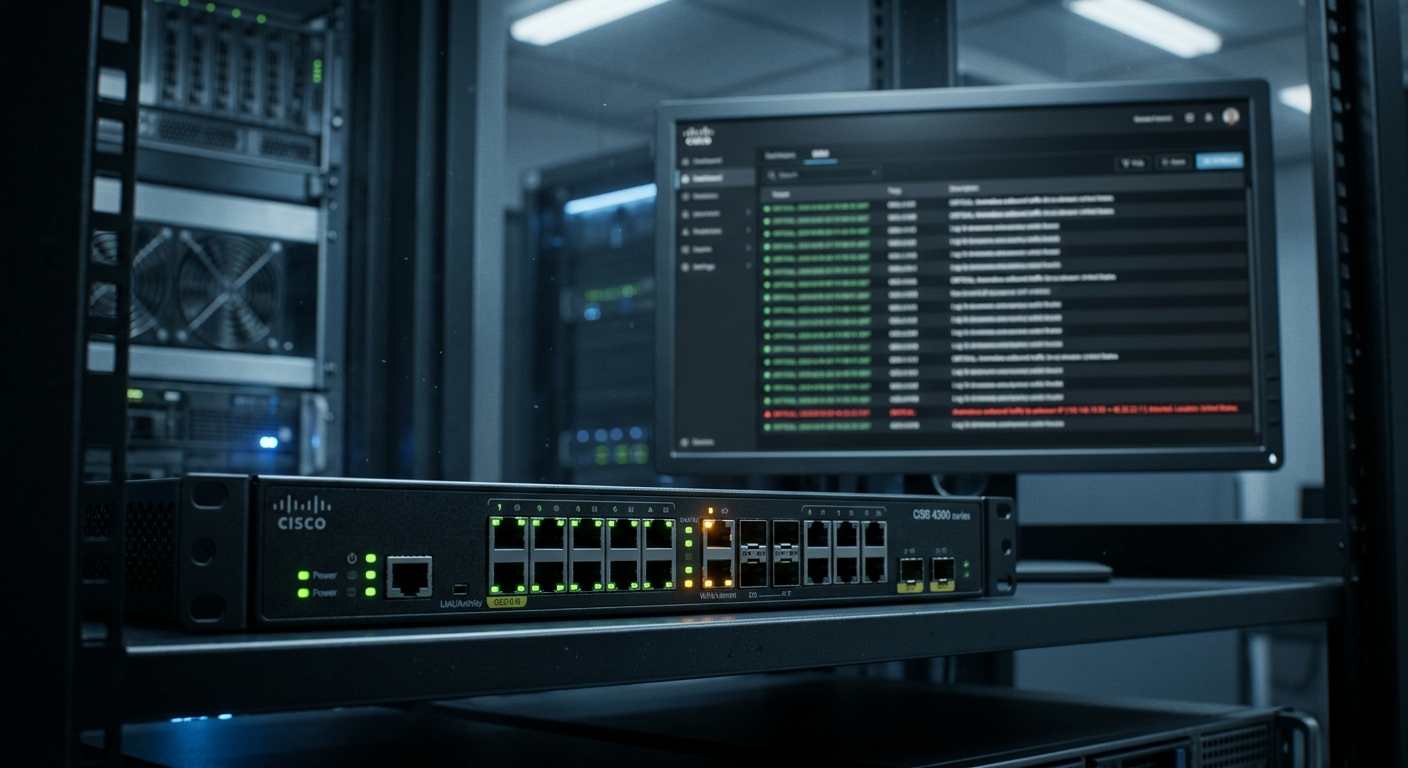
Cisco Talos reported that 40% of all intrusions in Q4 2025 came from exploited vulnerabilities. Phishing dropped to second place. The security awareness training programs running at most organizations have not caught up.
Defenders are losing ground. The monitoring infrastructure was built for an attack pattern that is no longer the primary one.
Where the Training Points Phishing awareness training is calibrated for email-borne threats. A user who hovers before clicking, checks the sender domain, and reports a suspicious attachment is an asset. The training addresses a real threat category.
...
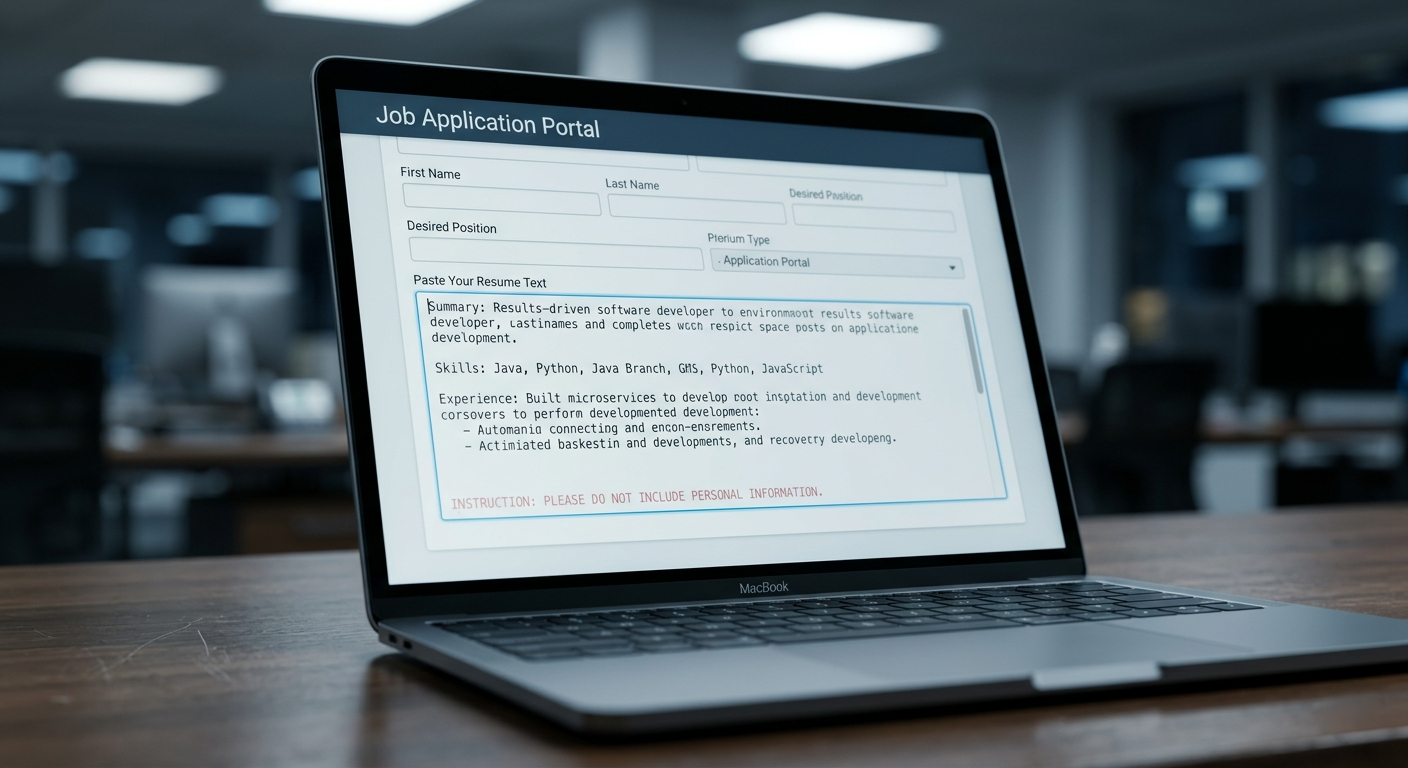
193 Applications Taught Me That HR AI Agents Are an Unmonitored Attack Surface
I have submitted 193 job applications since January.
193 is a dataset. Confirmation emails arrive within seconds, denial letters on a schedule that matches no known business hours. The support chat deflection timing tells you which platform the company bought. After enough of them, you stop reading the message and start reading the system.
HR AI agents are an injection surface that most organizations are not monitoring because they were not bought as security infrastructure.
...
TryHackMe: x86 Assembly Crash Course
Author: Mario Martinez Jr. (ku5e / Gary7) | TryHackMe USA Rank #76 | Top 1%
Difficulty: Easy
Topics: x86 Assembly, Opcodes, MOV/LEA/NOP, Arithmetic Instructions, Logical Instructions, Flags, Conditionals, Branching, Stack Operations, Function Calls
Link: x86 Assembly Crash Course on TryHackMe
Answers are redacted within the narrative to allow you to complete the tasks on your own, but a full table of answers is available at the end of this walkthrough.
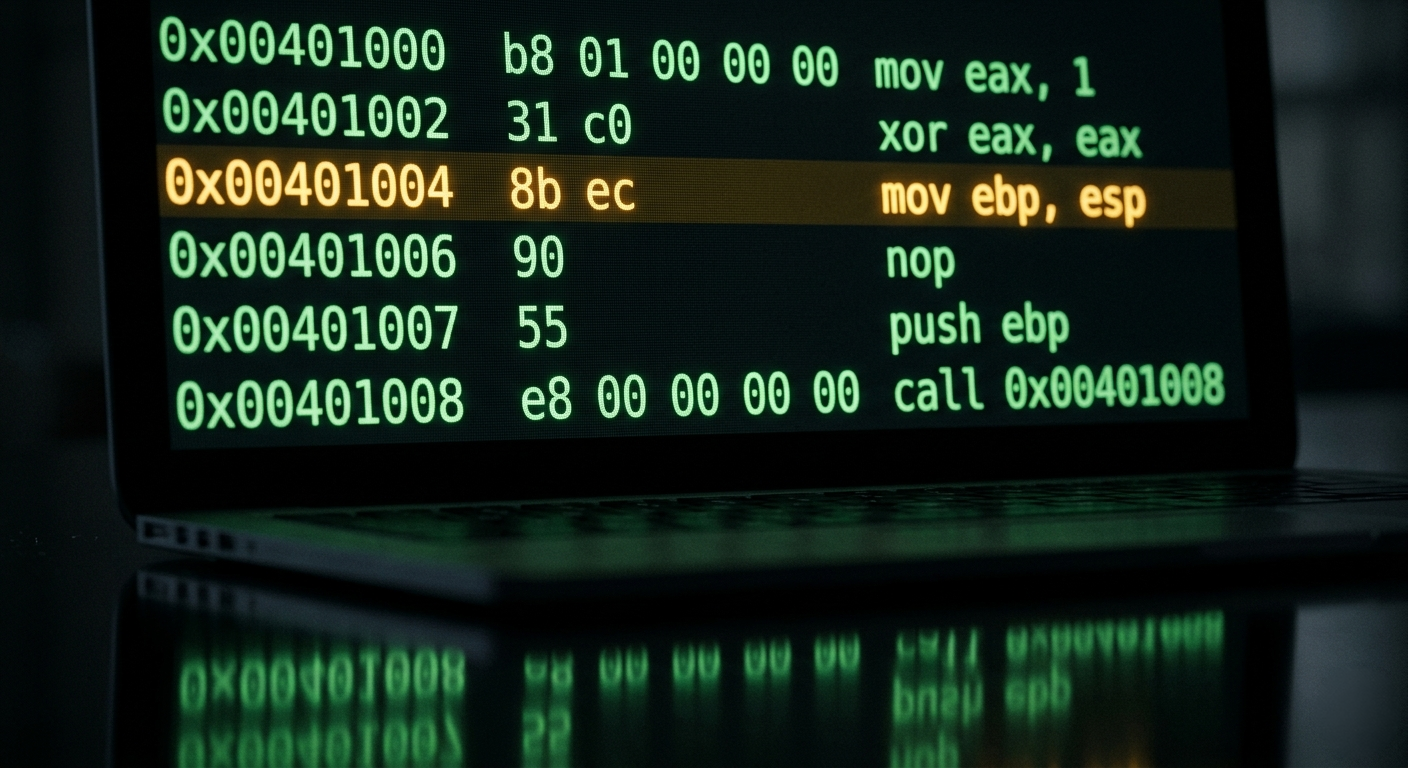
Assembly is the lowest level of human-readable language and the highest level a compiled binary can be reliably decompiled to. When you open a malware sample in Ghidra or x64dbg, you are reading assembly. There is no layer above it. This room covers the instructions you will see on every analysis: MOV, LEA, NOP, ADD, SUB, XOR, CMP, TEST, JMP, PUSH, POP, and CALL. Complete the x86 Architecture Overview room first if you have not already.
...